
Blog
Product Costs and Period Costs

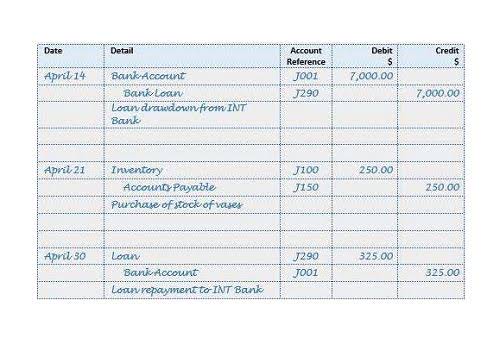
Explore our marketplace and find the perfect tool to bookkeeping streamline your processes today. Looking to streamline your business financial modeling process with a prebuilt customizable template? Say goodbye to the hassle of building a financial model from scratch and get started right away with one of our premium templates. All information published on this website is provided in good faith and for general use only. Any action you take based on the information found on cgaa.org is strictly at your discretion.

Income Statement
The key is to remain adaptable, continuously seeking ways to minimize costs without sacrificing quality or operational capacity. For instance, consider a company that launches an extensive advertising campaign in Q1 but does not see a revenue increase until Q2. The advertising expense is recorded as a period cost in Q1, aligning with the accrual basis of accounting. Similarly, the salary of the CEO, who may strategize for long-term growth, is a period cost expensed in the period it is incurred, despite the benefits potentially materializing over several periods. To illustrate, consider a company that decides to launch an extensive advertising campaign in December, a high-sales period, rather than January.

What are Product Costs?
- Examples of period costs include salaries, rent, utilities, and advertising expenses.
- Resource Allocation is a crucial aspect of cost accounting that allows businesses to assign expenses to specific cost objects, such as products, services, or departments.
- These expenses are deducted from revenues to calculate operating income, reflecting the costs incurred to support the business’s ongoing operations.
- Indirect costs are shared among multiple cost objects and cannot be easily traced to a specific product or service.
- Period costs are operating expenses unrelated to manufacturing or production activities.
- This example shows the costs that a manufacturing company sustained in its first year of operating.
Managerial accounting plays a key role in classifying costs, which provides better financial analysis and supports decision-making. These are costs that are necessary for running the business, but they’re not directly related to the production of goods. Period costs are expenses that period costs aren’t directly tied to production, and they’re incurred during an accounting period regardless of the volume of goods produced or sold. Administrative expenses, such as office salaries, utilities, and accounting fees, are also included in period costs.
Resources
Examples of period costs include rent, utilities, administrative salaries, advertising, and accounting and legal fees. These costs are expensed immediately on the income statement rather than being included in the costs of goods sold. For example, administrative salaries, marketing expenses, and office rent reduce overall net income. Since these costs do not fluctuate with production levels, they can distort profitability assessments if not monitored closely. You might find it useful to regularly analyze these expenses to identify trends or areas for reductions.
Potential for distorted financial analysis and decision-making

Advertising and promotion expenses are a type of period cost incurred by businesses to create awareness and promote their products or services to their target audience. These expenses are essential for businesses to attract customers and maintain a competitive edge in the market. The recording and reporting of period costs have a significant impact on a company’s financial statements. Product costs are necessary for calculating the cost of goods sold (COGS) and valuing inventory, while period costs are not included in the calculation of COGS. Instead, period costs are expensed in the period in which they are incurred and are reported as expenses on the income statement. Additionally, businesses must be agile in their pricing strategies to respond to fluctuations in period costs.
Careful monitoring of period costs is key for businesses to control operating budgets. In short, things are simple if they are kept simple for example under financial accounting the distinction between these two is easy thanks to accounting standards. In other words manufacturing overheads is like a reserve where production cost are “binned” if they escape direct material, direct labour costs or direct expenses. For example, factory rent, depreciation of machinery, heating and lighting costs, repairs etc. Commercial entities regularly incur different types of costs while carrying out their business activities. These costs can be broadly bifurcated into costs related to the core production/trading activities and other ancillary costs.
In summary, examples of period costs include advertising and promotion expenses, salaries and wages of administrative staff, and rent and utilities for office space. These costs are essential for businesses to operate, promote their offerings, and provide a conducive work environment for their employees. By analyzing and managing these costs effectively, businesses can make informed decisions, improve profitability, and support their overall growth and success. Understanding the importance of period costs is crucial for accurate financial reporting. Period costs, which are expenses not tied to production, directly affect the profit measurement of a business. Unlike product costs, which are capitalized as inventory until sold, period costs are expensed in the period Medical Billing Process they are incurred.

Optimizing Business Performance through Effective Period Cost Management
- From an accounting perspective, the allocation of these costs over time can significantly impact financial statements and managerial decision-making.
- In addition to salaries and wages, other expenses related to administrative staff may include benefits such as health insurance, retirement plans, and paid time off.
- He has been the CFO or controller of both small and medium sized companies and has run small businesses of his own.
- Period costs, which are expenses not tied to production, directly affect the profit measurement of a business.
- This misrepresentation can result in misguided strategic decisions, such as overestimating available resources or underestimating necessary expenditures.
- To illustrate, consider a company that decides to launch an extensive advertising campaign in December, a high-sales period, rather than January.
This distinction is vital because it influences the net income reported on financial statements. Misclassification of period costs can lead to distorted financial results, impacting stakeholder decisions. Understanding the distinction between period costs and product costs is vital for effective cost management, financial reporting, and strategic decision-making. While product costs focus on expenses tied directly to production, period costs encompass all other expenses incurred during an accounting period. Businesses must classify and calculate these costs accurately to ensure compliance, maintain profitability, and support operational efficiency.
The Role of Aggregate Planning in Supply Chain Management: Key Strategies and Best Practices
Examples include selling, general and administrative (SG&A) expenses, marketing expenses, CEO salary, and rent expense relating to a corporate office. The costs are not related to the production of inventory and are therefore expensed in the period incurred. In short, all costs that are not involved in the production of a product (product costs) are period costs.